
As climate change steadily transitions from a distant global concern to an immediate local challenge, its impact is becoming increasingly visible in urban landscapes like Thane. Erratic weather patterns, rising temperatures, and growing water scarcity are no longer abstract concepts—they are realities affecting everyday life. In response, the Thane Municipal Corporation (TMC) has initiated a landmark collaboration, marking its first formal partnership with a citizen-led movement aimed at driving long-term sustainability.
‘Jal Hit Mein Jaari’ Gains Institutional Backing
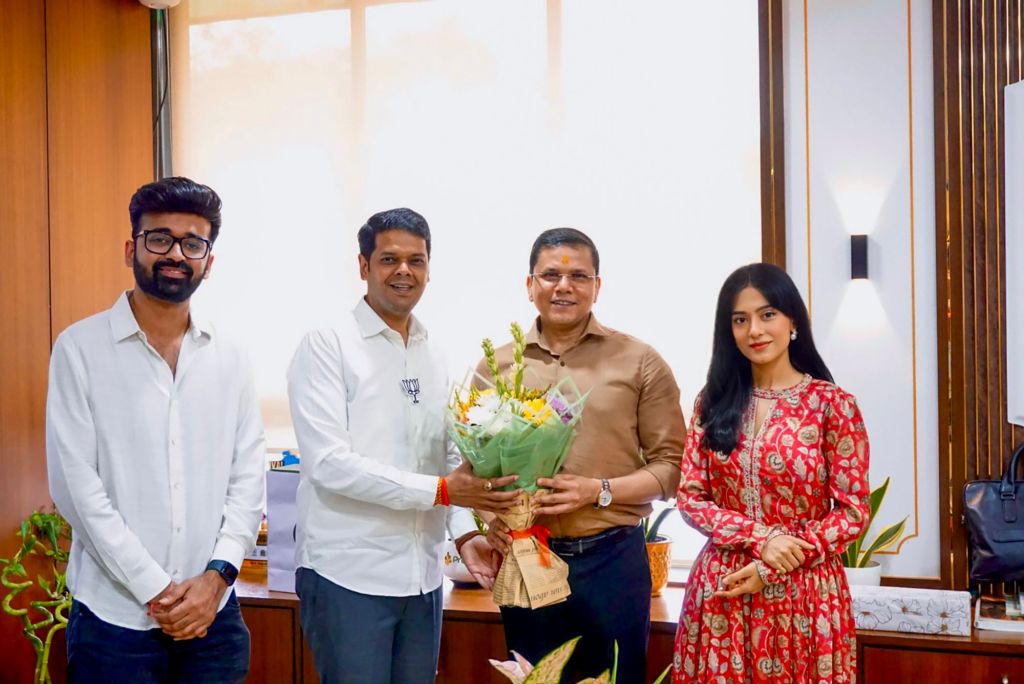
The initiative, titled ‘Jal Hit Mein Jaari’, has brought together key public figures and policymakers to address the city’s water challenges in a structured manner. Actress Amrita Rao, State BJP General Secretary and MLC Niranjan Davkhare, and philanthropist Aditya Chauhan have joined forces with the municipal administration to promote sustainable water practices.
This collaboration was formalized during a high-level meeting at the TMC headquarters, following the campaign’s successful launch at CREDAI-MCHI. The meeting reflected a shared urgency to transition from awareness to actionable policy.
Administrative Commitment and Structured Action Plan
Thane Municipal Commissioner Saurabh Rao expressed strong support for the initiative, emphasizing the need for both behavioral transformation and institutional mechanisms. Recognizing the complexity of urban water management, the administration has committed to forming a dedicated committee to evaluate and implement the campaign’s proposals.
According to the Commissioner, this structured approach will ensure that water conservation is not treated as a one-time effort but becomes an integral part of the city’s governance and citizen behavior. The proposed committee will act as a monitoring and policy-driving body, ensuring accountability and continuity.
From Social Influence to Policy Impact
At the heart of the campaign lies Amrita Rao’s vision of translating public awareness into systemic change. Widely recognized for her “Jal Lijiye” messaging that gained traction across social media, she is now leveraging that influence to advocate for practical reforms.
Her proposal focuses on integrating water-saving technologies—particularly mandatory water-efficient taps in new constructions. This, she argues, can significantly reduce water wastage at the source, making conservation a built-in feature rather than an afterthought.
Policy Framework and Regulatory Push
Niranjan Davkhare has played a crucial role in shaping the initiative’s legislative direction. He stressed the importance of institutionalizing these ideas through regulatory frameworks, ensuring they are not limited to voluntary adoption. By advocating for the formation of a specialized committee, he aims to embed water conservation into the city’s policy architecture.
Complementing this approach, Aditya Chauhan highlighted the need to address excessive water usage in commercial establishments such as restaurants and salons. His focus brings attention to sectors that often escape scrutiny but contribute significantly to urban water consumption.
A Collaborative Model for Urban Sustainability
The meeting concluded on a highly optimistic note, symbolizing a rare and effective collaboration between civic authorities and citizen-driven leadership. This partnership sets a precedent for other cities, demonstrating how public participation and administrative will can align to address pressing environmental challenges.
With ‘Jal Hit Mein Jaari’, Thane is not just responding to a crisis—it is attempting to redefine urban water governance. If implemented effectively, this initiative could transform the city into a model for sustainable and responsible water management in India.

